The Record · 2026-11-24 18:49
Lawmakers warn ID verification companies to bolster security after September hack
A bipartisan group of federal lawmakers on Monday sent a letter focused on security practices to several identity verification companies, citing a September breach that led to scans of more than 150 million people’s drivers’ licenses and other identification documents appearing for sale on the dark web.
The breach of IDScan led to the theft of customer data stored in the company’s cloud platform, spurring an FBI probe and identity theft and fraud concerns for the vast number of Canadian and U.S. victims.
The six lawmakers behind the letter pressured the identity verification firms to provide detailed answers about how they manage customers’ sensitive data and what they are doing to protect it against increasingly common and devastating hacks enabled by artificial intelligence.
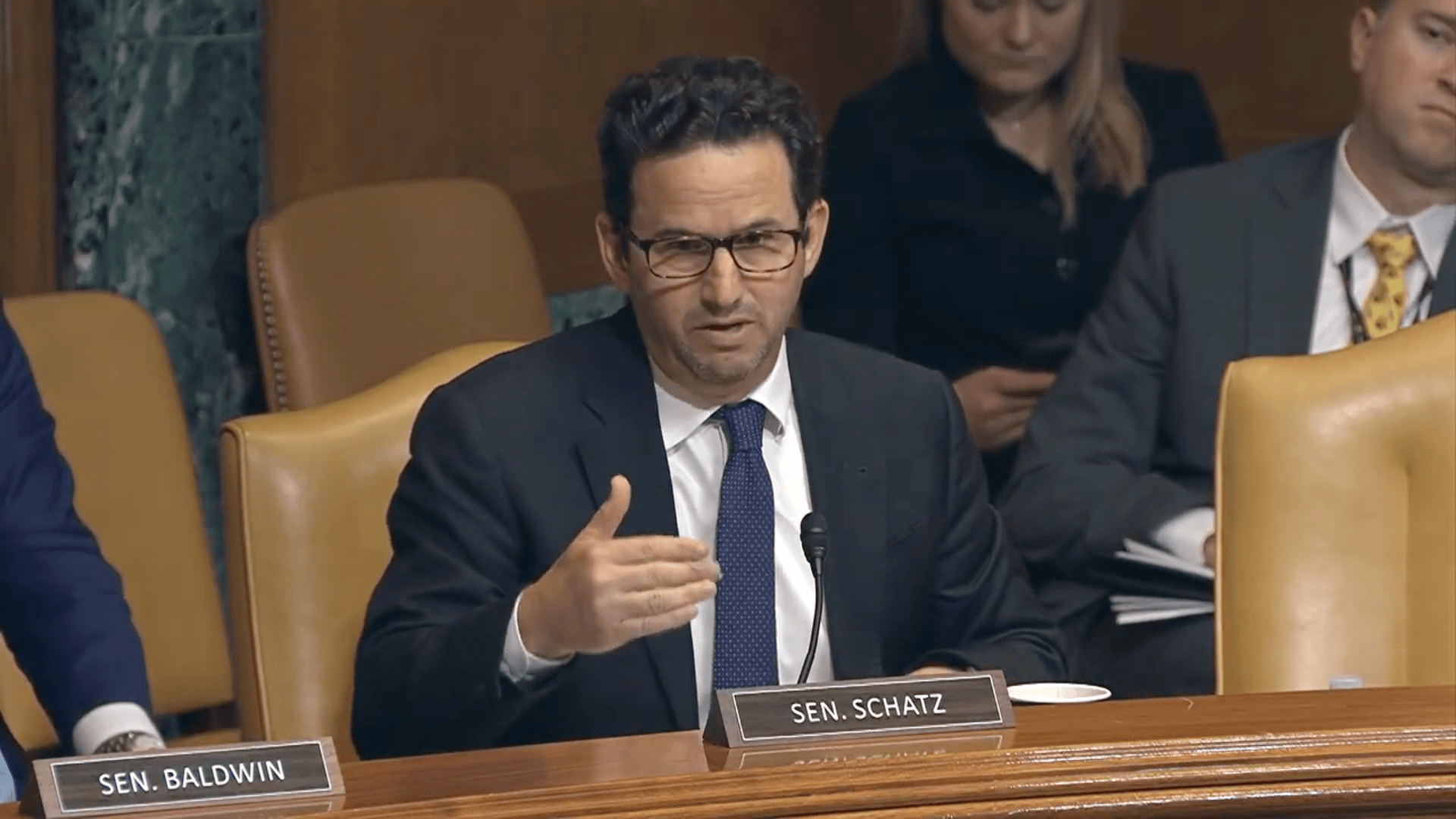
They cited not only the risk of fraud and identity theft, but also pointed to the fact that foreign adversaries are increasingly able to “infer Americans’ behavior through commercial data linked to government credentials,” said the letter, signed by Sens. Brian Schatz (D-HI) and Marcia Blackburn (R-TN) with four others from the Senate and House.
“Given the difficulty of tracking these credentials and data sales, remedying this breach will pose substantial challenges even where no further crime is committed.”
Brian Krebs, the independent technology journalist who first reported the IDScan breach in September, said on social media Tuesday that in the past couple of months he has found more than two dozen identity verification companies that store scanned IDs, often by default.
Customers — the companies verifying users’ identities — often have to pay more to avoid the scans from continuing to be collected after verification, Krebs said.
Cybercriminals on the Russia-tied dark web marketplace Nexus began exfiltrating the data more than a year before officials discovered the purloined information online, Krebs reported.
In their letter, the lawmakers directed the identity verification companies to lessen risks by proactively hunting for system vulnerabilities, deploying zero-trust architecture and minimizing threats by limiting collection, sharing and storage of personally identifying information as much as possible.
“This breach’s scale warrants additional attention to the data-handling practices of companies like yours,” a letter to IDScan CEO Jimmy Roussel said, noting that in addition to the identification documents nearly 600,000 medical cards, employment authorizations and other sensitive data was exposed.
Many of the medical cards were for marijuana dispensaries, Krebs reported.
The peddled license scans included ultraviolet, infrared and other detailed images, intensifying worries about how criminals may use it.
A spokesperson for IDScan did not immediately respond to a request for comment.
The lawmakers also emphasized that the personally identifiable information marketed by Nexus included scans belonging to high-ranking military and intelligence officials.
“The consequences of this theft may be widespread and persistent,” the letter to Roussel said.
“Given the difficulty of tracking these credentials and data sales, remedying this breach will pose substantial challenges even where no further crime is committed.”
“Your duty to safeguard data is critical in light of AI-driven cyberattack capabilities, which may be utilized by cybercriminals for zero-day exploits.”